Why a bundle earns more attention than a single SKU
A single product has one demonstration. A kit has a sequence: the car will not start, the tyre is low, and it is dark. That sequence is easy to show in a short video, easy to explain on a shelf card, and easy for a buyer to merchandise as a seasonal gift or a winter-driving promotion. It also raises the average order value without asking the factory for a new tool.
The commercial risk is equally simple to state: every added component adds another failure mode, another document set and another packaging part. The kit only works if the components are specified together and tested together.
Three bundle architectures that cover most channels
| Tier | What goes in the box | Best channel | Main buyer check |
|---|---|---|---|
| Single-problem item | One unit: a cordless inflator, a compact booster or a rechargeable torch | E-commerce, checkout counter, promotional | One clear claim, one manual, one plug standard |
| Two-item kit | Jump starter plus tire inflator, or inflator plus torch | Auto parts chains, supermarket seasonal, marketplace | Charging accessories and manuals must not conflict |
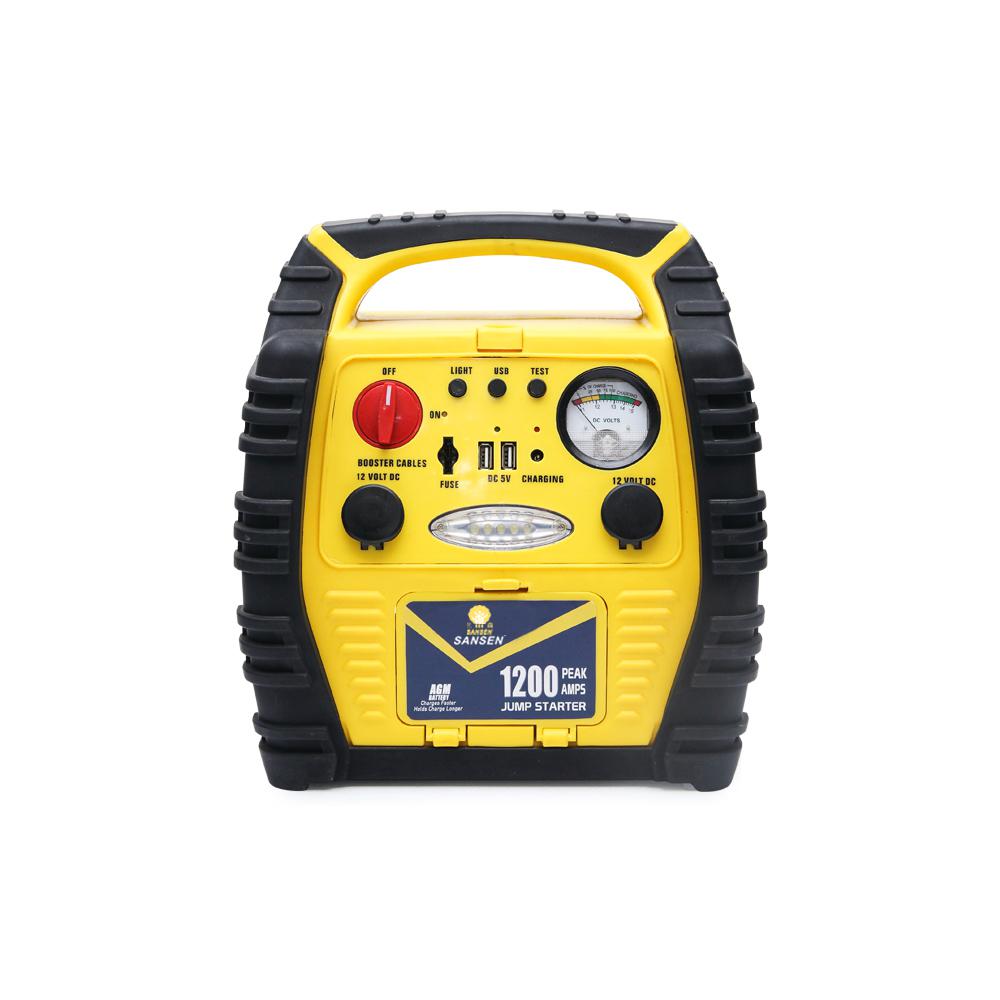
| Full roadside kit | Booster, inflator, torch, work light or vacuum, cables and a storage case | Retail gift, fleet and roadside programmes, wholesale | Carton weight, insert artwork, and one kit-level golden sample |
Matching the bundle to the channel
| Channel | What the buyer optimises | Kit implication |
|---|---|---|
| Marketplace and e-commerce | Searchable title, compact carton, low return rate | One primary function in the title, with the kit contents listed in the bullet points |
| Auto parts and workshop | Durability, DC12V operation, spare parts | Lead with the DC12V or multi-function unit; include a parts list |
| Supermarket seasonal | Shelf-ready box, clear price point, gift appeal | Window box or printed case, short manual, one language per market |
| Fleet and roadside programme | Repeatable specification, serviceability, records | Freeze the configuration and require a test record with every shipment |
The compatibility check before you combine SKUs
- Power and charging: list every connector in the kit. If one unit uses a mains plug and another a USB lead, say so on the box and include both.
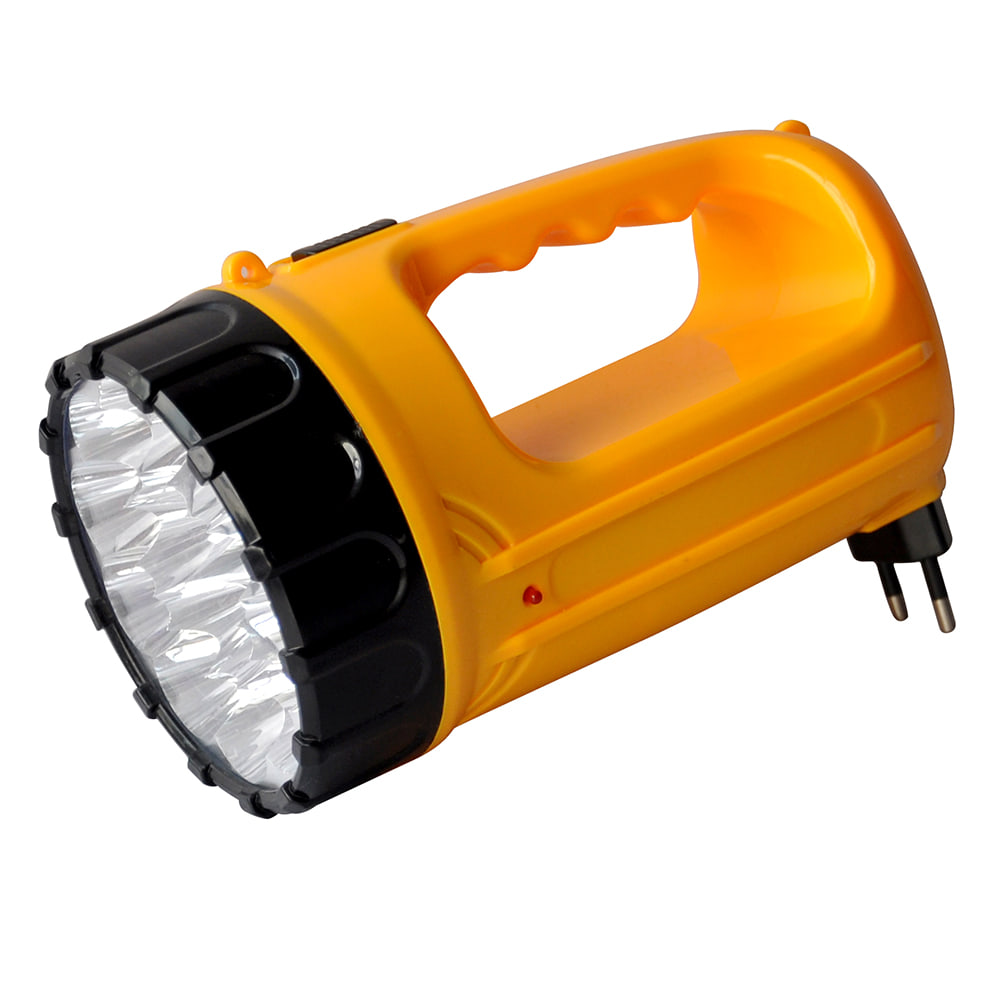
- Market hardware: the AT-608, AT-611 and AT-615 torches listed in our catalogue carry a built-in 2-pin AC plug (Brazil standard). A kit intended for the EU cannot simply reuse that housing.
- Battery chemistry: mixing a lead-acid booster with a lithium inflator means two different transport document sets. Confirm both with the forwarder.
- Carton maths: AC-001 packs 24 units per carton, AT-189 packs 60, and AC0901, AC0903 and AC55000 are larger units. A kit carton has to be engineered from the real dimensions, not estimated.
- Manuals and labels: one kit-level manual plus component-level safety leaflets where the market requires them. Agree the language list before artwork is printed.
Which catalogue items fit together
| Role in the kit | Example model | Published parameter that matters |
|---|---|---|
| Starting a flat battery | AC0903 | 12 V 17 Ah lead-acid, 1200 peak amps, 400 instant starting amps, LED work light |
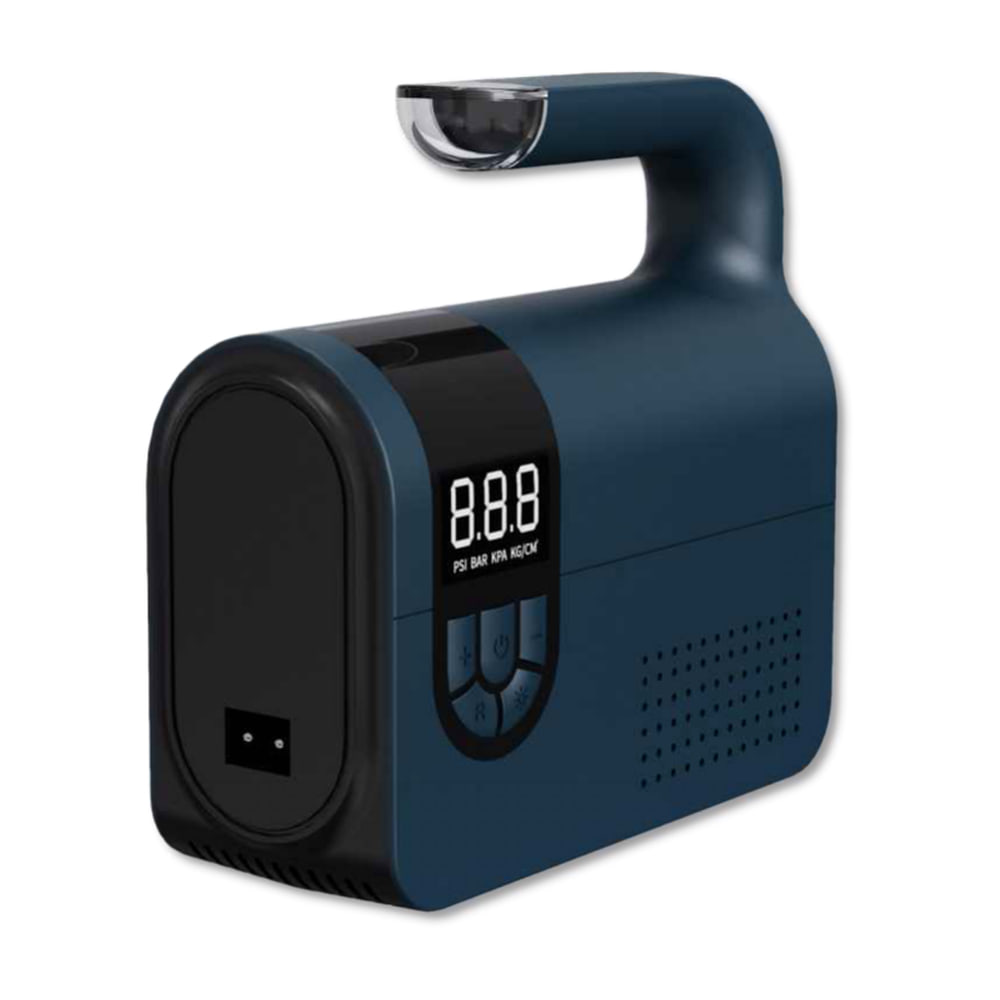
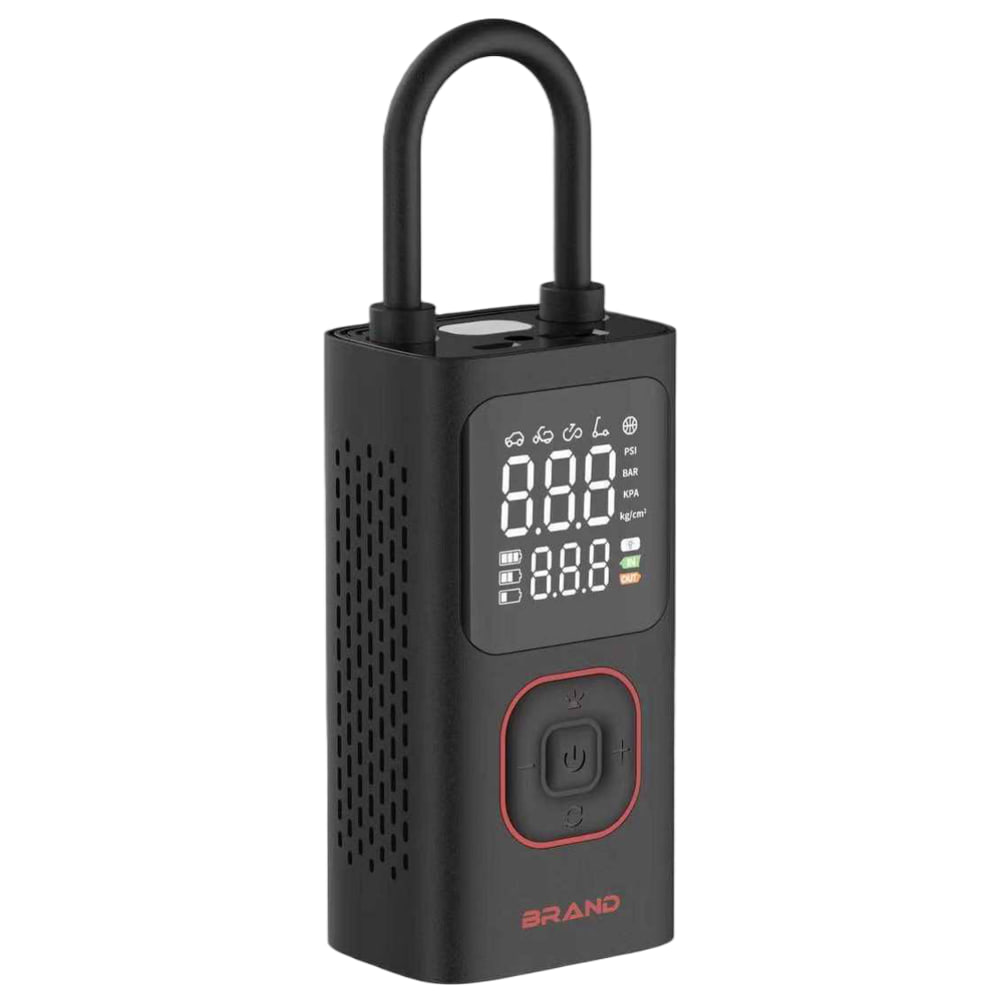
| Inflating a soft tyre | AC-001 | 3-150 PSI, 9 min 30 s for a 195/65/R15 tyre, 1.5 tyres per charge |
| Lighting the roadside | AT-615 | 15 LED / 1 W, 4 V 1200 mAh rechargeable, built-in 2-pin AC plug |
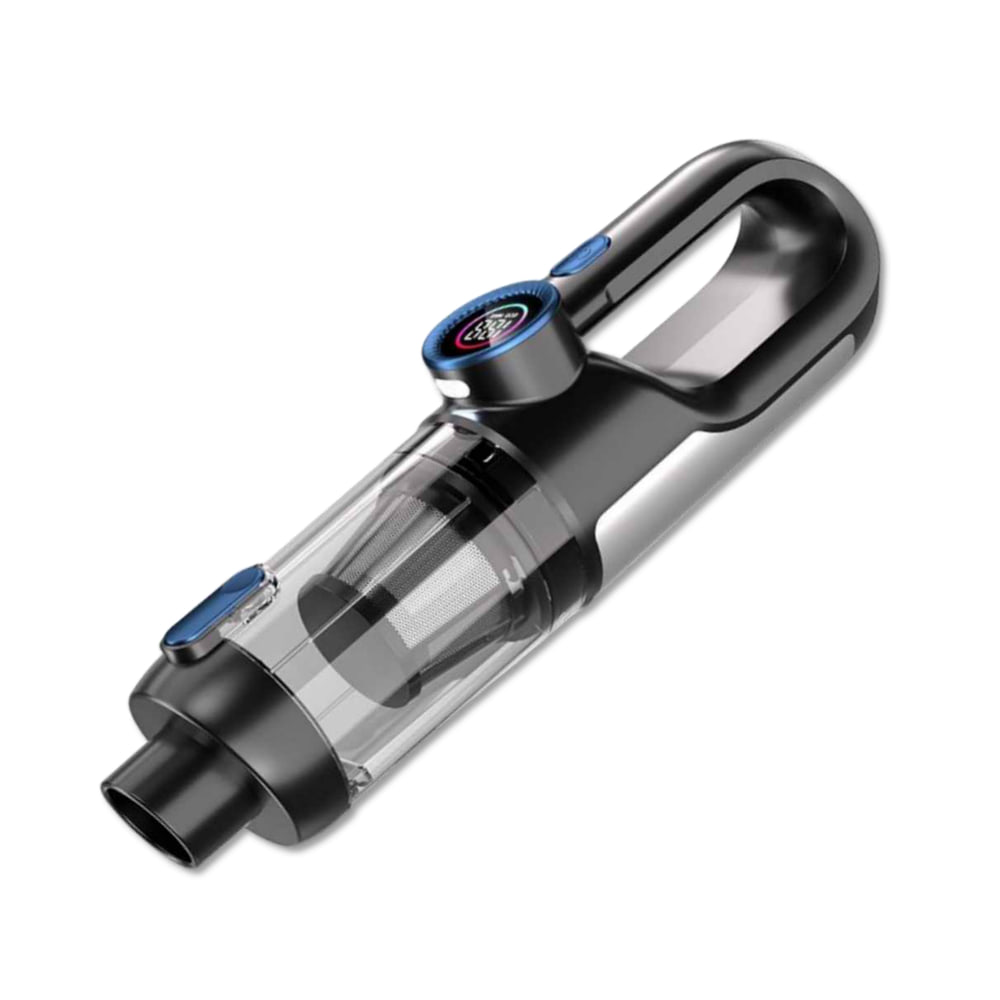
| Cleaning the cabin afterwards | AC-1001 | 11.1 V brushless, 2 gears, 10 kPa / 17 kPa suction, 0.63 kg |
| All-in-one premium tier | AC-2001 | Jump starter with 3-150 PSI compressor, 8 min for a 195/65/R15 tyre, 3 tyres per charge |
Packaging, inserts and the unboxing sequence
- Agree the outer carton dimension and gross weight from the real component cartons, with a drop test on the packed kit.
- Define the insert: moulded tray, cardboard divider or fabric case. The insert decides whether the kit arrives looking like one product.
- Place the quick-start card on top. A roadside product is used under stress, and the first thing the user sees should be the first step.
- List the contents with model numbers on the box so a missing accessory is obvious at receiving.
- Freeze artwork versions for the box, the manual and each component label, and reference all of them on the golden sample.
How to brief a supplier for a bundle
Send one RFQ that names every component by model number, states which components come from the same production run, and asks for a single kit-level sample. Ask who assembles the kit, who checks the contents, and what record ships with it. A supplier who can answer those three questions can usually hold the configuration across repeat orders.