Stage 1 — the first email
The single biggest accelerator is a specific first message. It needs five elements: the model numbers or the product type, the destination market, the target quantity for the first run, the packaging intent (neutral or retail), and whether you need your brand applied. With those five, a supplier can quote tooling, unit price, MOQ and lead time in one reply. Without them, you get a price list and a week of clarifying emails.
Stage 2 — reading the quotation
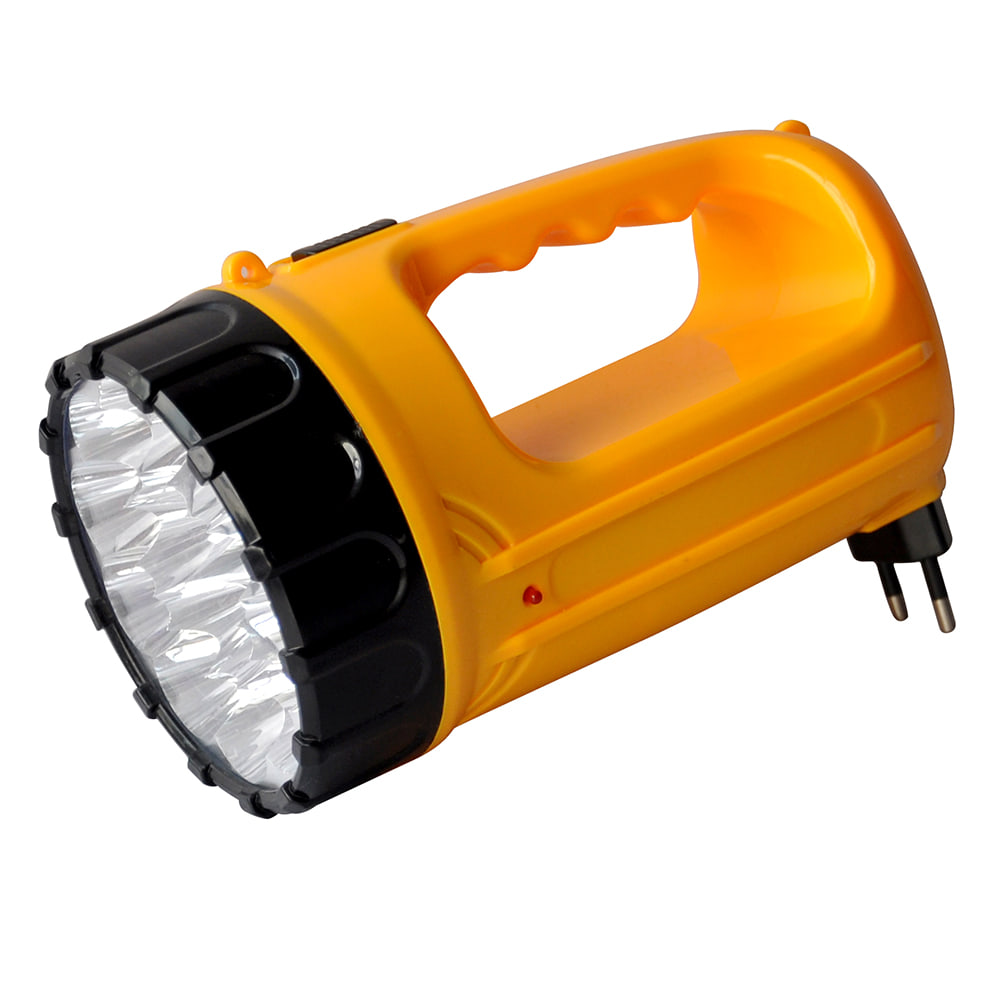
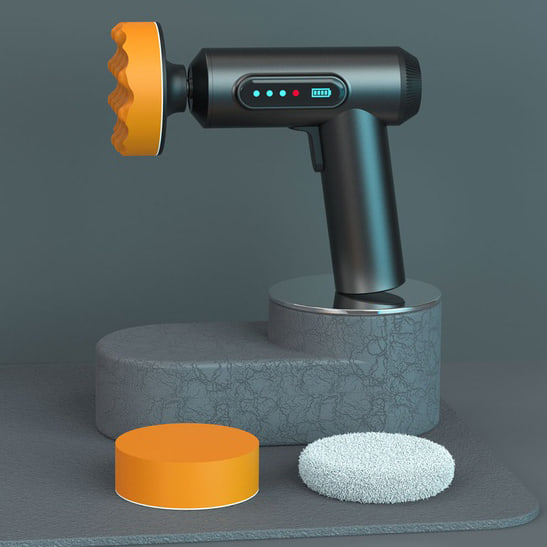
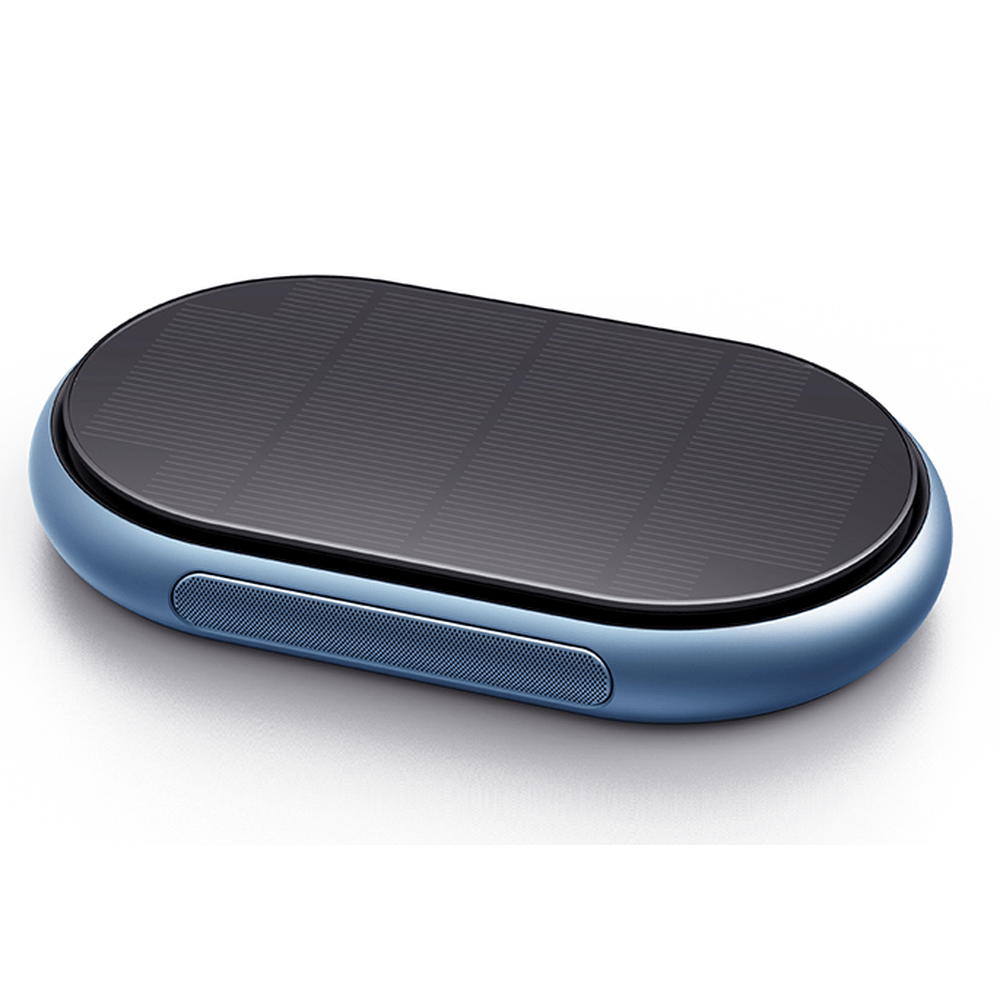
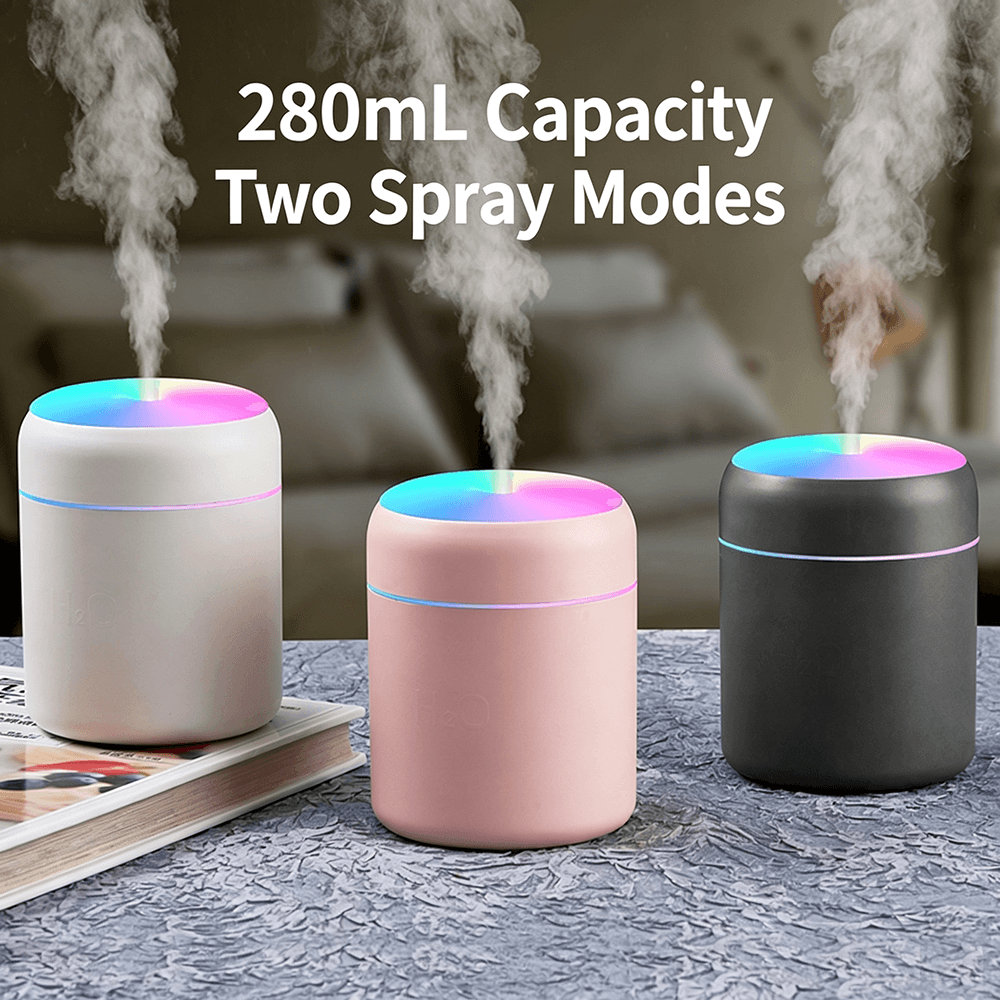
A quotation you can compare states the specification next to the price: battery capacity, LED count or motor type, plug standard, packaging version, carton quantity and carton dimensions. If two quotations differ by more than about 10% on the same model number, the difference is almost never efficiency — it is a different battery, a different motor or a different box. Reply by fixing the specification and asking both suppliers to re-quote against it.
| Quotation line | What it should state | Why it matters later |
|---|---|---|
| Unit price | Against a stated specification, EXW or FOB named port | The basis of every later comparison |
| MOQ | Per model, per colour, per packaging version | Determines whether the first order is feasible |
| Tooling | Separate lines for mould, plug insert, print plates | Shows what you own and what you pay again later |
| Lead time | Split: sample days, production days, booking window | One total number hides where delays happen |
| Carton data | Qty/ctn, carton size, gross weight | You, not the supplier, pay for the container math |
Stage 3 — sample and golden sample
Ask for a sample pulled from a production batch rather than the sample room, and check it against the specification sheet: count the lit LEDs in a dark room, time a full charge, measure the beam or suction. If the sample passes, seal it. A golden sample — dated, signed by both sides, labelled with the LED count, battery capacity, plug standard, housing colour and packaging version — is the reference that production and any later dispute are measured against. Photos are not a specification.
Stage 4 — the purchase order and its annex
The PO itself is usually short. The annex is where the order is actually defined: the agreed specification, the golden sample reference, artwork files and print proofs, the language of labels and manuals, the test records to be provided, and the packing details. Production teams work from the annex — an instruction that lives only in an email thread three weeks old does not reach the line.
Stage 5 — during production
- Ask for photos at first-article stage — the first units off the line — while there is still time to correct a colour or a print.
- Confirm the battery lot: for repeat orders the cell supplier is the component most often substituted between runs.
- For printed packaging, approve a physical print proof, not a PDF, because colour on screen and colour on corrugate are different materials.
Stage 6 — pre-shipment inspection
The inspection standard should be agreed in the annex: AQL levels, what counts as a defect, and the records to be handed over — incoming battery inspection, 100% function and charging test, carton drop or stacking record, and for lithium products the UN38.3 summary and MSDS for the exact pack. Inspect against the golden sample, with photos of the actual cartons, labels and pallet build.
Stage 7 — booking and documents
Book freight only after the inspection records are in hand. The document set for a typical order is the commercial invoice, packing list, bill of lading, and any certificates your market or carrier requires. Lithium products add the transport documents above; state-of-charge rules for air freight are set by the carrier, not the factory. For repeat orders, re-confirm the specification annex each time — it is cheaper than discovering a substituted component at your warehouse.